
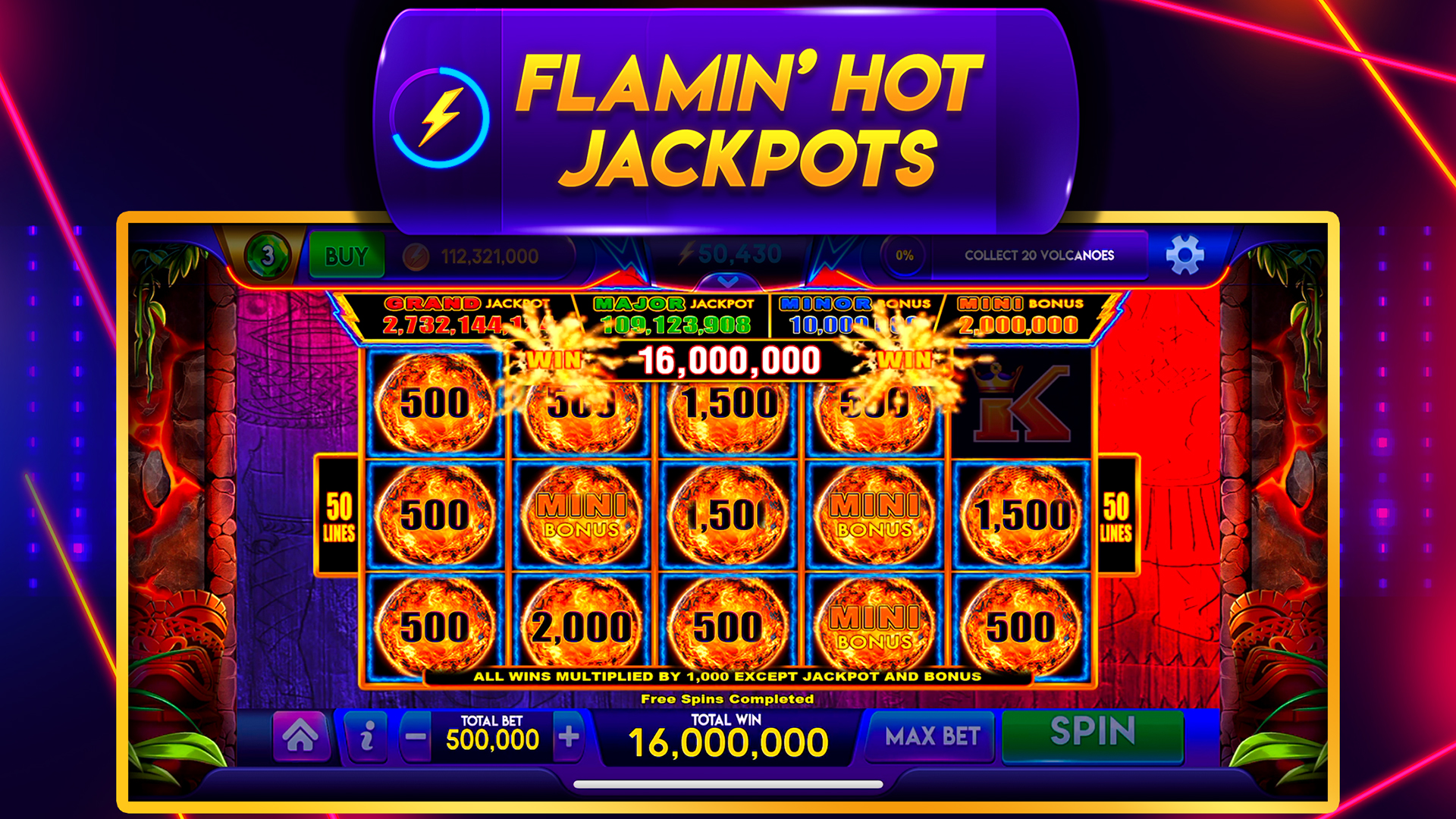
For Canadian slot fans, jumping into a 9 Masks of Fire tournament injects a hint of competition to the usual spin-and-win routine. But before you dive in, you need to get a handle on the entry fees. These are not arbitrary costs. They’re a carefully designed system that tries to welcome all sorts of players, whether you’re just testing the waters or you’re an experienced player hunting for a big score. Selecting your entry fee is your first smart play. It’s about balancing your buy-in to your budget and your goals for that tournament’s prize pool. Here’s a thorough breakdown of how these fees operate in Canada, what you obtain for your fee, and how to leverage that knowledge to optimize every tournament you join.
Learning the Essentials of Slot Tournament Entry Fees
Basically, the entry fee is your admission into a competitive 9 Masks of Fire slot tournament. When you cover this fee at a Canadian online casino, you’re buying into a scheduled event. You’ll play against others, and the prize pool is often built directly from everyone’s buy-ins. This is different from regular slot play. You’re investing in a specific experience: a timed session, a fixed number of spins, or a set amount of starting credits on the game. Your task is to grow that starting amount into the highest score you can. The fee is always displayed upfront, with no surprises. It’s comparable to buying into a poker game, but your skill here involves managing your spins and knowing how 9 Masks of Fire performs when the clock is ticking.
The system is clear. The fee you see is the fee you pay. That purchase normally gives you a special tournament balance, apart from your main casino wallet. You utilize this balance only during the event. Your final score is determined by how much you can increase that starting stack within the tournament’s limits. Different fee levels place you in different brackets of competition, like different classes in a race. Once you regard the fee this way, it stops being just a cost. It becomes a planned buy-in for a format that’s more about adrenaline and strategy than a typical solo slot session.
The role of Rebuys and Extra purchases in Cost Structures
Many 9 Masks of Fire tournaments in Canada include re-buy and add-on options. These features add a deeper strategic element to the fee structure. A re-buy allows you to purchase a new set of tournament credits if you run out early, giving you another chance in the event. This is typical in knockout-style tournaments. An add-on is commonly available at a halfway point or similar interval. It allows every player, regardless of their current standing, to purchase extra credits at a discounted rate. Both mechanisms pump more money into the prize pool, as each re-buy and add-on fee gets added to the total, sometimes creating a much larger final prize than originally advertised.
As a player, you need to prepare for these potential extra costs. A $10 tournament seems straightforward, but if you take two re-buys and an add-on, your total spend might be $35 or more. From a strategy view, a re-buy can be a smart save if you have terrible early luck but still feel confident. Add-ons are usually good value if your budget allows, as they offer you more firepower for the remainder of the contest. Always review the tournament rules to see if re-buys and add-ons are available and how they work. A tournament with these options calls for a different budget and mindset than a simple one-entry event, but it also provides you more ways to influence your own outcome after the tournament begins.
How Entry Fees Relate And Prize Pools and Payouts
The connection between your entry fee & the final prize pool is usually direct and straightforward. In a standard model, a significant chunk of every player’s buy-in goes into a collective pot. Let’s say 100 players each pay $10 to enter. That alone creates a $1000 prize pool from the entry fees. The casino will often add a guaranteed amount on top of that, turning the total even larger. This model means a larger entry fee tier logically leads to a greater pool of money, which turns to much larger prizes for the winners. You will be taking on more risk for the chance at a much bigger reward.
This correlation ought to guide your choices. A low-stakes event might pay out the top 20 finishers. But the prizes for the lower spots on that list might only give back your entry fee or add a small profit. A high-stakes tournament might only reward the top 5 or 10 players, but the winner’s share could be substantial. The payout structure, or prize ladder, is always shown in the tournament rules. Make a habit of checking it. Look for tournaments where the prize distribution seems fair and where the payout for your target finish makes the entry fee feel like a valuable investment.
Freeroll vs. Paid Entry Tournaments: A Strategic Analysis

Choosing between freeroll and paid tournaments is one of your first key strategic choices. Freerolls are a crucial tool. They are free, providing a safe environment to get familiar with the tournament software, get a sense of the pace, and test various spinning strategies on 9 Masks of Fire. View them as your practice ground. But freerolls have a unique challenge. Because they’re free, they attract huge numbers of players. Reaching the top of a leaderboard with hundreds or thousands of participants is statistically tough. The prizes, while nice, are rarely life-changing.
Paid entry tournaments create a different environment. The financial commitment functions as a filter. The players who participate are generally more serious and prepared. The competition seems different, with strategies adjusting based on the stakes at play. A sound strategy is to employ freerolls solely for practice. Once the format feels familiar, shift to the lowest paid tier you can locate. The competition quality improves, the prize pools actually matter, and you will begin learning the nuances of managing your tournament stack under genuine, yet manageable, pressure. Viewing these two formats as phases in the same educational process is how you develop lasting tournament skills.
Typical Tournament Fee Tiers and What They Offer
Most Canadian sites hosting these tournaments use a tiered fee system https://9-masksoffire.ca. This builds a range of options so players can locate a suitable level. You’ll generally see four main tiers: Free Roll, Low-Stakes, Mid-Stakes, and High-Stakes. Free Roll tournaments cost nothing to enter. They’re ideal for practice and mastering the format, though their prizes are inclined to be smaller, often bonus credits or small cash amounts. Low-Stakes brackets commonly ask for an entry fee ranging from $1 and $5. These are well-suited for casual players who desire a true taste of competition without a major hit to their wallet.
The Mid-Stakes tier is when things get more exciting. Entry fees here commonly vary from $10 to $25. The prize pools are noticeably better, and the players are often more experienced. You’ll need sharper strategy here. At the top are the High-Stakes events. Entry fees can begin at $50 and rise into the hundreds. These are the major leagues, with the greatest prize pools and the most skilled, dedicated competitors. A good piece of advice is to start one tier lower than you originally think you should. Get comfortable against somewhat easier competition before you move up and risk more money. The goal is to match the fee with both your available bankroll and your present tournament skill.

Tips for Picking the Correct Entry Fee for Your Bankroll
Managing your money is the most important skill for any gambler, and tournament play makes it increasingly critical. Follow this basic rule: never buy into a tournament with a fee that would hurt if you lost it. Your tournament budget should be its own separate pot of money, distinct from what you use for regular slot play. A common guideline is to keep any single entry fee to 5% or less of your total tournament bankroll. If you’ve set aside $200 for a month of tournaments, then a $10 entry sits comfortably within that limit. This approach lets you play multiple events, learn from losses, and handle the natural ups and downs without blowing your entire fund.
Commence at the lowest paid tier that still feels like real competition. Use your first few tournaments to judge where your skills stand. If you’re regularly finishing in the money and showing a profit, you can think about moving up one tier carefully. If you’re struggling, drop back down or spend more time in freerolls. It’s also smart to spread your risk. Instead of dumping your whole monthly bankroll on one high-stakes shot, consider entering several smaller events. This gives you more play, more practice, and more chances to land a payout. Choosing your fee is a personal calculation mixing your confidence, your skill, and what you can afford. Getting this balance right is what keeps tournament play fun and sustainable over the long term.
Navigating Terms and Conditions Regarding Fees and Prizes
Before you click the “Enter” button on any tournament, you have to read the Terms and Conditions. This is mandatory. The fine print includes the exact rules for the entry fee and, more importantly, how you really get your prize money. Pay special attention to sections about prize forfeiture and wagering requirements. Many tournaments stipulate winners to bet their prize money a specific number of times before it becomes cash they can withdraw. These playthrough requirements can differ greatly and change the actual value of your win. You have to know what you’re really playing for.
Also, search for rules on tie-breakers, the exact tournament schedule, and how the “tournament balance” is defined. Verify how and when the entry fee is taken from your account. See what the policy is if your internet drops or the game crashes mid-event. Look out for any provincial restrictions that might apply to Canadian players, even on nationally licensed sites. I pull up the T&Cs in a new tab every time I check a tournament lobby. Spending those few minutes on due diligence can prevent a major headache later. A reputable casino will have clear, easy-to-find rules. If the fee structure or prize terms seem confusing or deliberately vague, that’s a good reason to find a different tournament for your time and money.